
 +66 98 432 7651


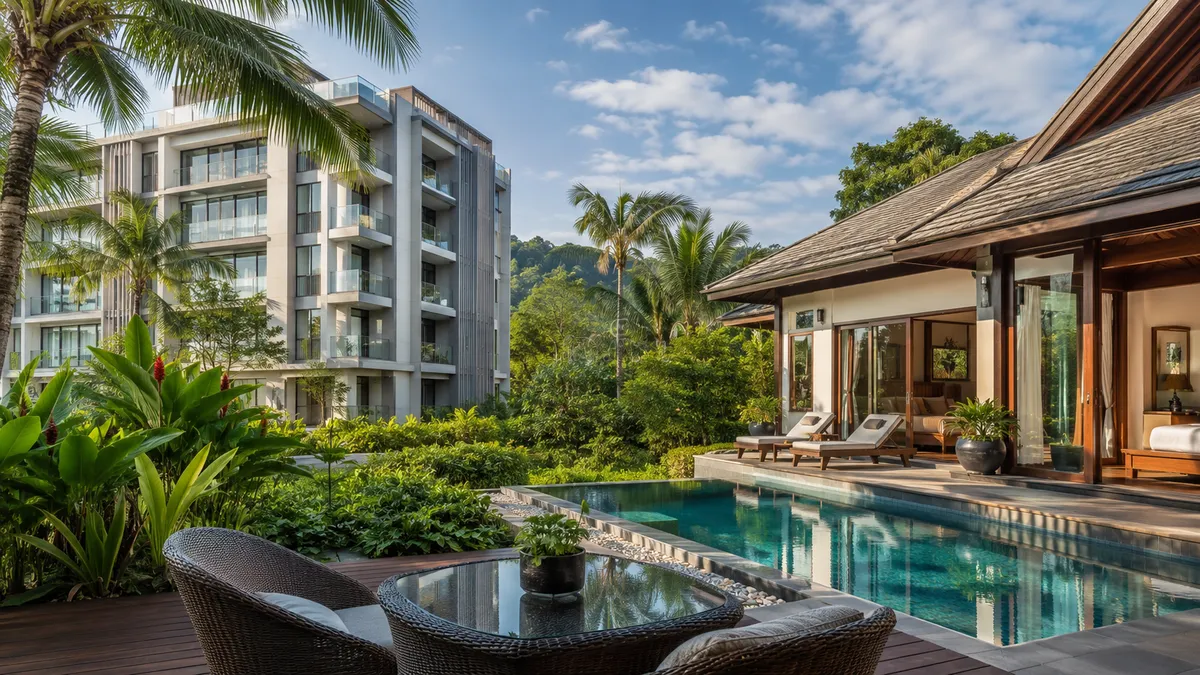
As a general rule, a foreign national cannot register land in Thailand in freehold Registering the property in your own name is the basic rule from which almost all questions regarding the purchase of a villa, house, or plot of land stem. Exceptions do exist, but they are rare, require special permits, and are not suitable for most private real estate buyers. However, this restriction applies specifically to the land, not to the property as a whole: an apartment in a condominium can be registered as freehold, while a villa or house can be acquired through several different legal structures, each with its own conditions and risks.
In this article, we’ll explore what foreigners can buy directly, what methods are used for villas and houses, and when purchasing through a Thai company is legal—and when it becomes risky. a diagram showing the nominal shareholders, and what documents you should review before signing the contract. We’ll take a closer look at leaseholds, BOI Exceptions — special rules for investment projects that have been approved The Board of Investment of Thailand (BOI), — and the situation with her husband, a Thai citizen.
The information in this article is for reference purposes only and does not replace a legal review of a specific transaction. Before making a deposit, you should ensure that the documents and ownership structure have been reviewed by an independent attorney.
Can a foreigner buy land?
Foreign national In most cases, they cannot register a land plot in Thailand as freehold in their own name — This is stipulated in the Land Code and applies to almost all private buyers. At the same time, the real estate market is not closed to foreigners: the law distinguishes between land, the structure on it, and a condominium unit as separate entities with different legal statuses.
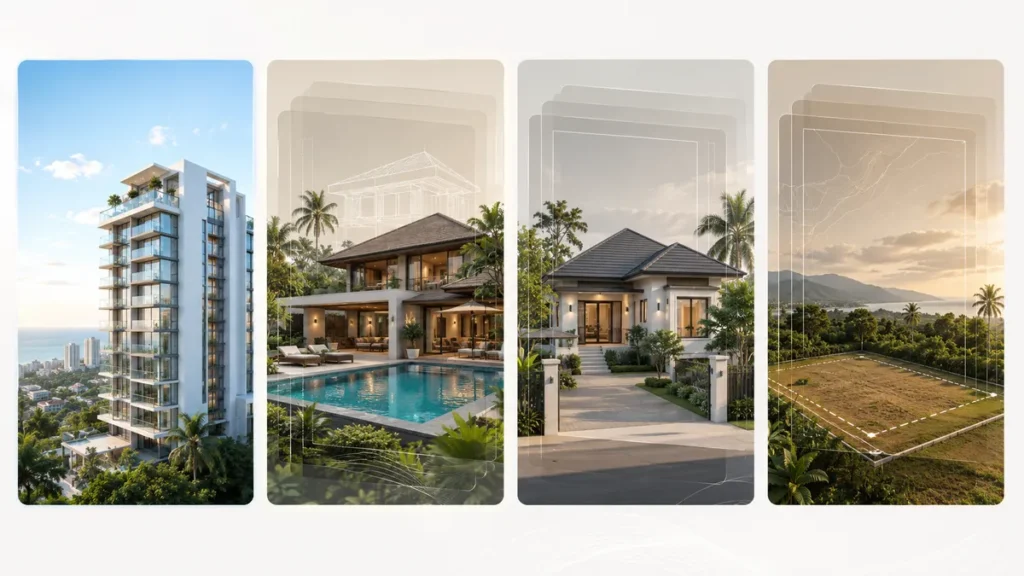
An apartment in a registered condominium may be registered as freehold property under foreign quota — the limit under which foreigners may own no more than 49% of the total area of all units in a specific condominium. If you want to understand how this quota is calculated, why it affects your ability to purchase, and how to verify it before a transaction, we recommend reading our separate article on foreign quota in Thailand.
Table 1. What Foreigners Can and Cannot Apply For in Thailand
| Object | Is it possible to register a foreign national? | Typical format | What to Check |
|---|---|---|---|
| Apartment in a condominium | Yes, under the foreign quota | Freehold | Remaining quota, project registration |
| Villa | Partially | Land leasehold + right to the building | Contract Term, Land Status |
| House | Partially | Leasehold or superficies | Registration with the Land Administration Office |
| Land parcel | As a rule, no | Leasehold, Exceptions | The Actual Legal Status of the Scheme |
| Commercial Real Estate | It depends on the structure | Company, leasehold | Licenses, BOI Status |
| The property through a Thai company | Conditionally, with reservations | Legal Entity | Business Reality, Shareholders |
Why You Can't Buy Land Directly
Restrictions on land ownership by foreigners are enshrined in Thailand’s Land Code and apply as a general principle. The general principle stems from the Land Code: foreigners may acquire land only in cases expressly provided for by law or contract, and in practice, such cases are rare and not intended for the average real estate buyer.
For a real estate buyer, the practical takeaway is this: the restriction applies to land, but it does not preclude all lawful methods of purchasing real estate. In practice, the law establishes different legal regimes for land and other real estate properties, so the options available to a foreign buyer depend specifically on the type of property being purchased.
It is important to distinguish between land, a building, and the right to use the property. In Thailand, these can represent three distinct legal aspects of a single transaction.
When a real estate agent or developer says they will “register the land in your name” in a way that circumvents the general rule, you should treat such an offer with caution: either they are referring to a different property (such as a condo unit), or they are proposing an arrangement that requires a separate legal review.
What Can a Foreigner Buy?
Apartment in a condominium
This is the simplest and most predictable option for a foreign buyer. An apartment in a registered condominium can be registered under freehold — full ownership — provided that the project remains accessible foreign quota. The quota is calculated not based on the number of units, but on their total area: by law, foreigners may own no more than 49% of the total area of all units in the building.
Before making a reservation, you should ask the developer for official confirmation that a quota is available—verbal promises from an agent are not enough. If the quota has already been allocated, the buyer will be offered an alternative: a leasehold on the apartment or waiting for a quota to become available when it is resold by another foreign buyer.
Villa or house
The main challenge when buying a villa isn’t the house itself, but the land it sits on. In Thailand, the building and the lot can legally belong to different parties: the house to one owner, the land to another. Therefore, a buyer of a villa usually does not acquire ownership of the land, but rather land leasehold — a long-term right of use under a contract, sometimes combined with the separate registration of rights to the house itself.
It is important to specify in the contract the term, the conditions for renewal, the right of transfer and inheritance, as well as who is responsible for registering the transaction with the land administration office. Without registration, even a contract that is formally valid may offer little protection.
Land parcel
Buying a plot of land directly for personal construction is the most challenging scenario for a private foreign buyer. In most cases, freehold is not available, and leasehold should not be viewed as a complete equivalent of ownership: these are rights that differ in their legal nature. If the goal is to build a house on your own land, the solution almost always requires a customized legal structure rather than a standard template from an ad.
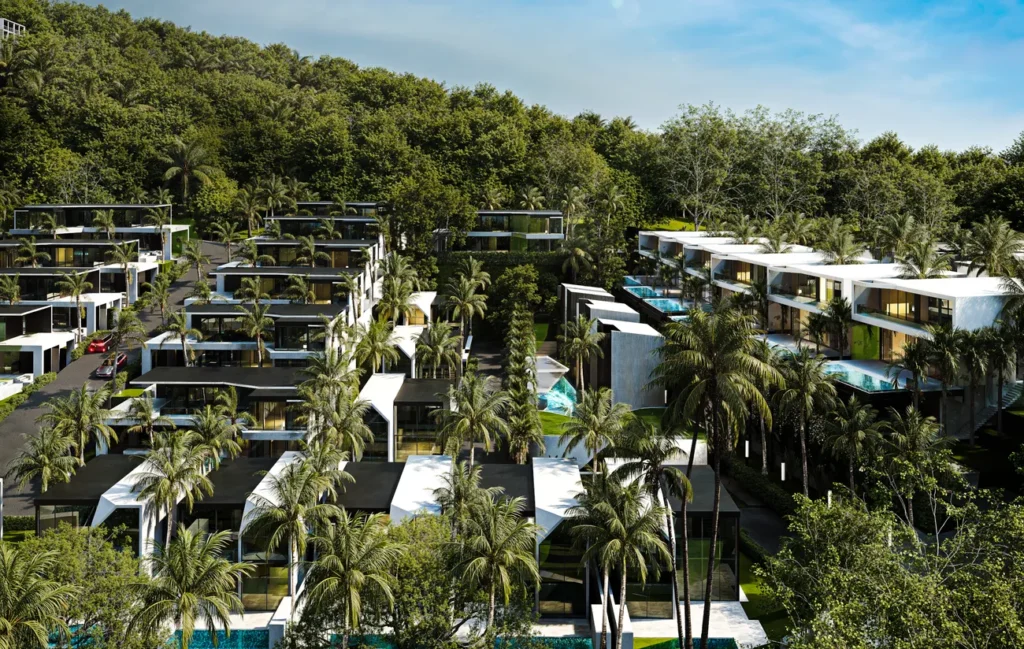
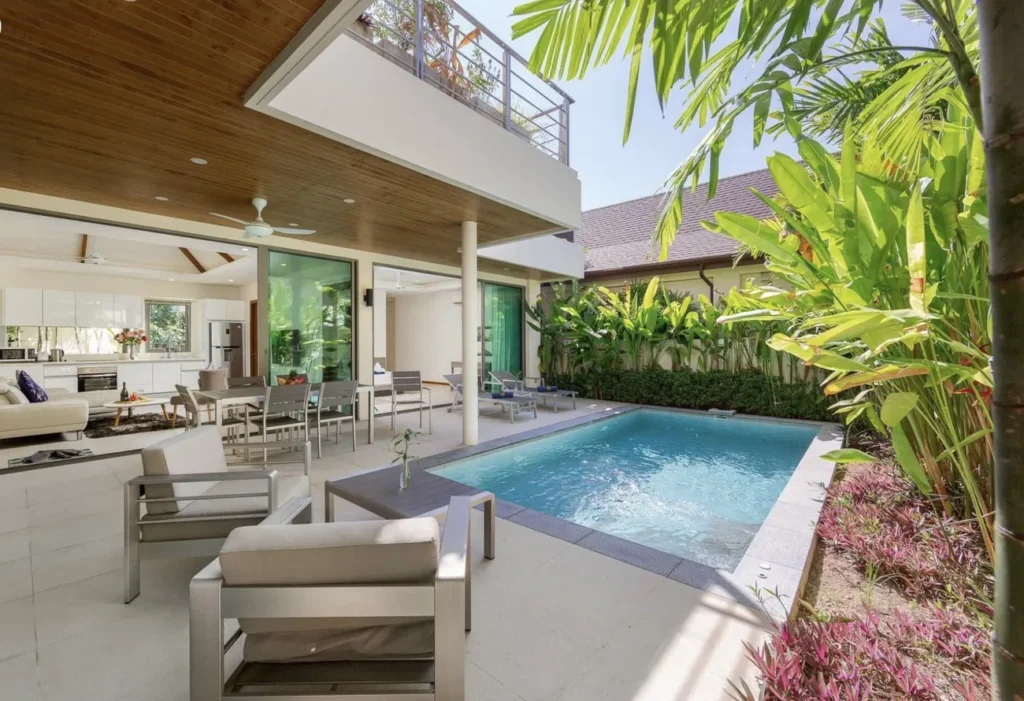
Below are examples of properties in Thailand that are suitable for foreign buyers: condominium units, villas with verifiable ownership structures, and developments where it is important to clarify the title registration process in advance.
Take a look at these villas for sale in Phuket:
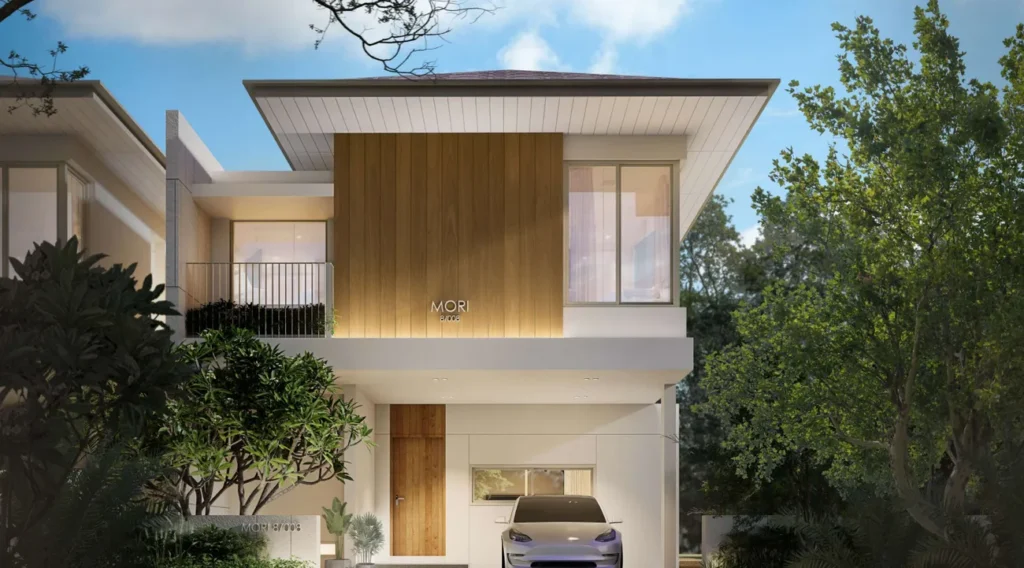

 Phuket, Thalang
 from 150.15m²
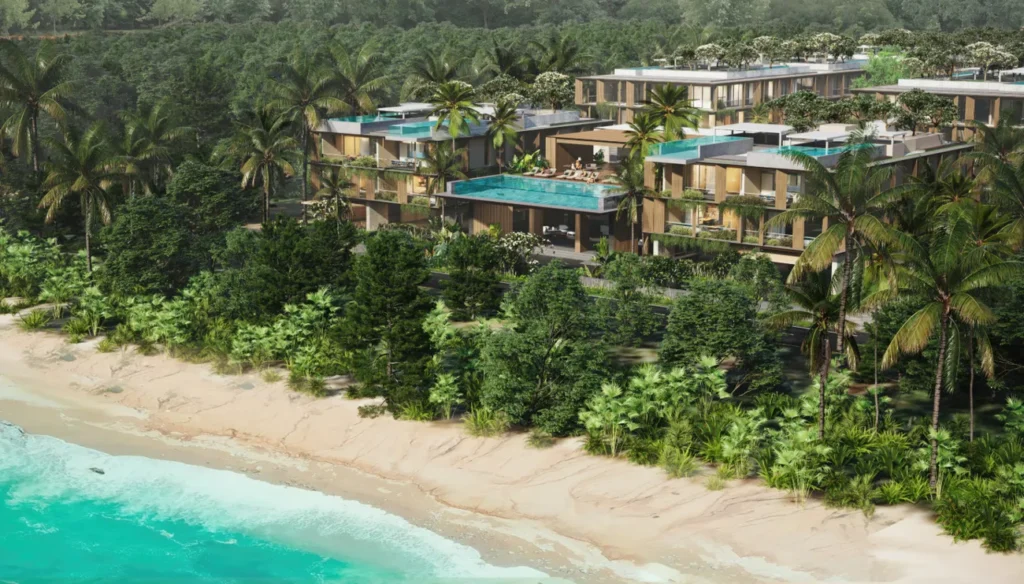


 Phuket, Rawaifrom 257.11m²
Land Leasehold
A leasehold is a long-term right to use land or a property under the terms of a contract, rather than a transfer of ownership. In Thailand, real estate leases generally cannot exceed 30 years, and a lease agreement for a term of more than 3 years must be registered with the Land Department—otherwise, protection for the term exceeding 3 years may be lost. The “30+30+30” formula is common in the market, with a provision for renewal for one or two additional 30-year periods. The extension clause may create a contractual obligation for the parties, but it does not automatically convert the leasehold into a right to 60 or 90 years: each new period requires separate formalization and registration, so the “30+30+30” formula cannot be presented as a guaranteed 90-year tenure.
Leasehold is often used specifically for villas in Phuket and Samui, where the land on which the property is built is physically owned by a Thai owner or company, and the foreign buyer receives a long-term right of use. This is one of the most common formats for villas in the resort market, but its security depends on the contract and registration—it differs fundamentally from freehold: the right is determined by the terms of the specific contract, rather than directly by law.
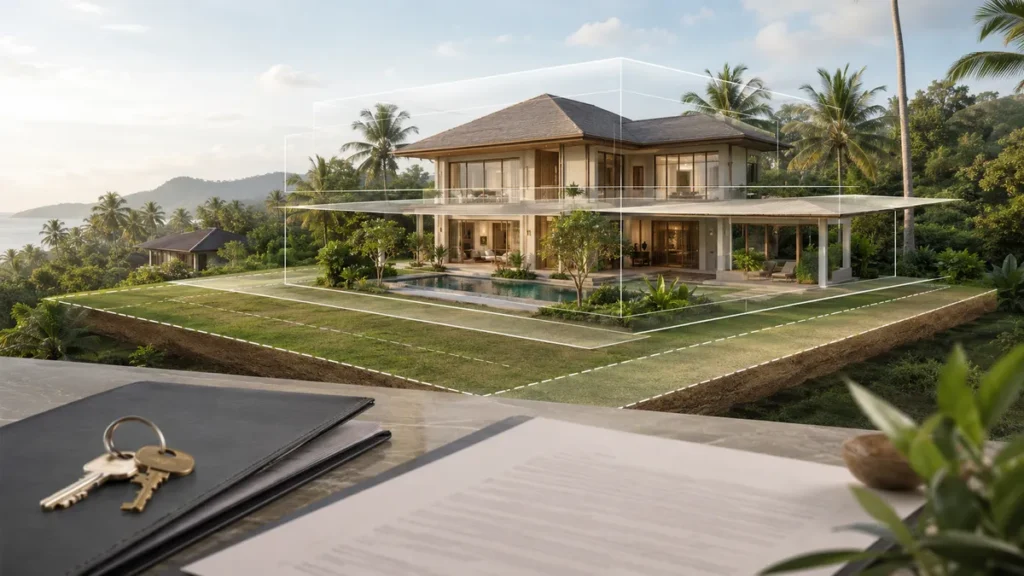
Table 2. Leasehold Land: What to Check
| Question | Why Is This Important? | What to Ask the Seller/Lawyer |
|---|---|---|
| Leasehold term | Defines the ownership horizon | A copy of the registered contract |
| Registration | Without registration, the right is poorly protected | Extract from the Land Administration Office |
| Renewal Terms | Renewal is not guaranteed in and of itself | The exact wording of the clause regarding the extension |
| Right of Sale/Assignment | Affects the ability to exit a trade | Terms and Conditions for Disclosure to Third Parties |
| Inheritance | Not all contracts provide for inheritance | Clause on Successors |
| Grounds Maintenance | Affects expenses | Management Agreement, Rates |
| Access to the road | Without access, the property loses its value | Confirmed Easement |
| Utility Connections | Affects whether the property can actually be lived in or rented out | Contracts with Service Providers |
| Construction Restrictions | May limit repairs and renovations | Permit Documentation |
| Right to Lease | Not every leasehold allows for subleasing | An explicit provision in the contract |
Before signing, it’s a good idea to compare the terms of the leasehold agreement with the general real estate purchase agreement—sometimes these are two separate documents with different wording. The basic principles of such an agreement are explained in the article “Real Estate Purchase Agreements in Thailand.”
Villa: The house is yours, but not the land
A buyer of a villa must assess the status of the land and the status of the building separately—this is not a mere formality, but a key risk of the transaction. In addition to leasehold, in practice there are ownership of the building — Registration of ownership of a building separately from ownership of the land parcel. This arrangement allows a foreign national to own the building, but does not resolve the issue of the terms under which they use the land beneath it.
Another tool is — Superficius, a right enshrined in the Civil and Commercial Code of Thailand. It is the right to use another person’s land for the purpose of erecting or maintaining structures or plantings. Superficies must be formalized and registered with the Land Department; the term and conditions depend on the agreement and require a separate legal review. Superficies arises only after state registration with the Land Department.
A similar but different mechanism— Usufruct: the right to possess, use, and derive benefits from another person’s real estate. Usufruct grants the right to possess, use, and derive benefits from the property, but the practical ability to lease the property depends on the terms of the agreement, the property’s regulations, and applicable restrictions. Unlike superficies, usufruct is more commonly applied to real estate as a whole, but it also does not make a foreigner the owner of the land.
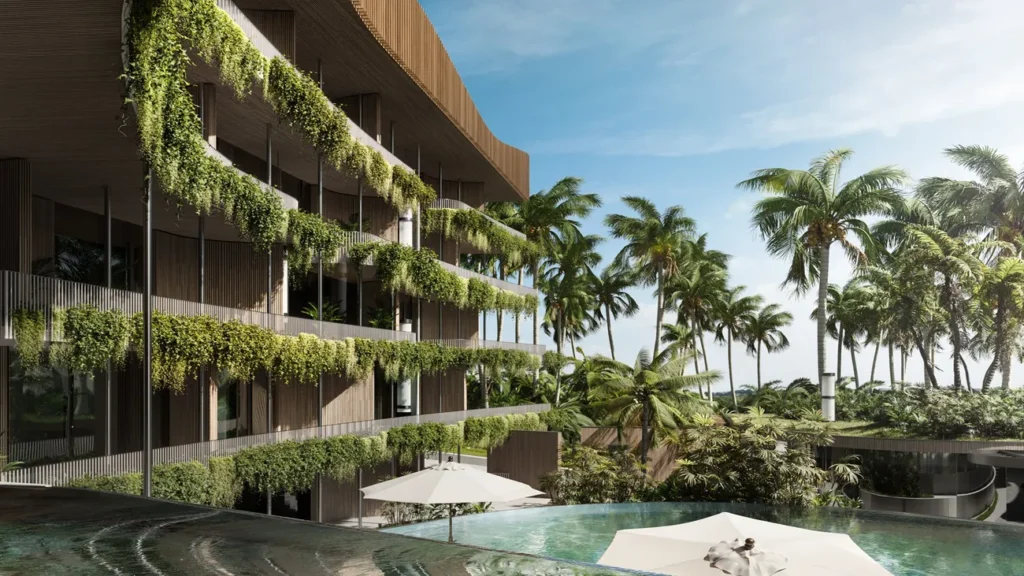
You need to be especially cautious about this issue in Koh Samui and Phuket, where villas are often marketed as lifestyle properties with an emphasis on design and views, while the land ownership structure takes a back seat in the project presentation. Beautiful renderings are no substitute for verifying the legal status of the property.
Table 3. Types of Rights for Villas
| Format | What the buyer receives | Where is it suitable? | Main Risk |
|---|---|---|---|
| Land Leasehold | Right of use for the term of the contract | Villas on Leased Land | Renewal terms are not guaranteed |
| Ownership of the building | Ownership of a Building | Projects with Separate Ownership | The land remains under the ownership of another party |
| Superficius | The Right to Build on Someone Else's Land | Long-term stay | It depends on the wording of the contract |
| Usufruct | Use of and Income from the Property | Protection of the right to use or reside in a property; income—subject to verification of the terms set forth in the documents | The personal nature of the right and restrictions on its transfer or inheritance require a separate review |
| Thai company | Control through a legal entity | Investors Open to a Corporate Structure | The Risk of a Nominee Shareholder Scheme |
| Buying a Condo Instead of a Villa | Full ownership of an apartment | Shoppers who value simplicity | Less space and privacy than a villa |
Purchase through a Thai company
A Thai company may own land provided it complies with Thai law, but for a foreign buyer, this is not a simple way to “circumvent the ban.” If a company is established solely to own land on behalf of a foreigner, with nominal Thai shareholders, such a structure may be classified as a nominee shareholder scheme—an arrangement that directly contradicts the intent of the law and carries serious legal risks for all parties.
A legally sound structure typically requires actual business operations, proper accounting, timely tax payments, and substantive participation by Thai shareholders who are genuinely involved in management and decision-making, rather than simply signing documents for a fee. Even so, the structure should be reviewed with a lawyer. This is not a one-size-fits-all solution, nor is it the simplest way to own real estate—it is a distinct corporate structure with its own obligations and annual expenses, which is not suitable for every buyer.
List: Red Flags in Schemes Involving a Company
- The Thai shareholders do not participate in the business and do not attend meetings.
- The company does not engage in any actual business activities.
- Buyers are promised “full control with no risks.”
- There is no independent legal review of the structure.
- Company documents are prepared solely by the seller or the developer.
- They do not explain the annual costs of maintaining the company and filing reports.
If you're considering this path, it's a good idea to study the material in advance Purchasing Real Estate Through a Thai Company and hire a lawyer who is not affiliated with the seller of the property.
Rare exceptions
The law provides for several narrow exceptions to the general ban, but these are intended not for the average villa buyer, but for specific investment and personal circumstances.
BOI and Investment Projects. In some cases, companies whose projects have been approved The Board of Investment of Thailand (BOI), may apply for a land use permit for the purposes of this project. It is important to understand that this is not an automatic right, nor is it a way to purchase a private villa or a plot of land for personal residence. These permits typically pertain to business and investment projects, and the conditions for such permits are published on the official website Thailand Board of Investment (BOI).
An investment exemption of 40 million baht. The Land Code provides for a rare exception allowing a foreign national to obtain the right to a plot of land before 1st Heaven — approximately 1,600 m² — for residential purposes, provided a significant amount is invested in Thailand’s economy and permission is granted by the minister. This is not an automatic right granted upon investing 40 million baht, but rather a complex and rare process that should not be viewed as a standard strategy for purchasing a villa.
Her husband is a Thai citizen. If one of the spouses is a Thai citizen, the land can be registered in that spouse’s name, but this does not make the foreign spouse the owner of the land. When registering the land in the Thai spouse’s name, the Land Office usually requires a declaration confirming that the funds used for the purchase are the personal property of the Thai spouse and not joint property of the spouses—this is a specific legal detail that needs to be clarified in advance.
Inheritance of Land. A foreigner may face issues regarding land inheritance in Thailand, but this does not mean unrestricted long-term ownership of the property. In certain cases, permission from the relevant authorities is required, and if ownership is not permitted, the land must be disposed of within the timeframe set by the Land Department, usually between 180 days and 1 year. This topic is discussed in more detail in the article Inheritance of Real Estate in Thailand.
If a scheme appears to be a simple way to circumvent a land ban, it must be examined with particular care. In Thailand, it is not only the form of the documents that matters, but also the actual economic substance of the transaction.
What documents to check
Legal Review — It’s not just a formality, but the primary tool for protecting buyers in real estate transactions in Thailand. You should start by checking the land title document: the type, status, and history of the plot determine what the buyer is actually purchasing.

Chanot (Nor Sor 4 Jor) — the most reliable type of land title document, with officially established plot boundaries; other types of documents (Nor Sor 3 Gor, Nor Sor 3) grant fewer rights and require more careful scrutiny. Next, you need to examine access to the road—the lack of officially registered access could result in dependence on neighbors. Easements, building permits, environmental and height restrictions, the developer’s status, and the presence of encumbrances and outstanding debts associated with the property—all of this must be confirmed by documentation, not just the seller’s word.
When purchasing through a leasehold or directly from a developer, the lease or sales agreement, the management company’s documents, and the actual right to lease the property are all verified separately—sometimes this right requires a separate permit.
List: Minimum Pre-Transaction Checklist
- Type of land document (chanot, Nor Sor 3 Gor, etc.).
- The plot boundaries correspond to the official survey.
- Verified and registered access to the road.
- No outstanding liens or mortgages.
- The developer's status and track record of completed projects.
- The existence of a building permit for a specific project.
- Height and environmental restrictions for the zone.
- Terms of the leasehold agreement, if applicable.
- Articles of Incorporation and shareholder registry, if the property is registered in the company's name.
- Management Company Policies and Service Fees.
- The right to lease a property and the associated restrictions.
- Source of funds and payment transfer procedure.
What Should a Buyer Choose?
The choice of ownership structure should be based on the purpose of the purchase, not on what a particular agent has offered. If your priority is maximum legal simplicity and predictability, an apartment in a registered condominium—provided there is a foreign ownership quota and payments are properly documented—is often the best option. If you need a villa for permanent residence, you’ll have to carefully review the combination of the land leasehold, the rights to the building, and the terms for managing the property.
For buyers focused on rental income, the ownership structure is not the only factor: location, the reputation of the management company, seasonal demand, and actual operating costs—which are often underestimated during the project presentation phase—are equally important. Purchasing land for self-construction remains the most complex scenario and almost always requires a customized legal structure. If the transaction involves a company as the legal entity, the decision should not be made without an independent review of the structure by a lawyer not affiliated with the seller.
Table 4. Which Format to Choose for the Task
| The buyer's goal | A more suitable format | Why | What to Look For |
|---|---|---|---|
| Living by the Sea | A condominium or a villa on a leasehold basis | A Balance of Simplicity and Comfort | Land Management, Infrastructure |
| For Rent | A freehold condominium or a villa with verified title and a rental permit | Transparent Rights to Income | Rental Policies, Taxes, and Seasonality |
| Buy a villa | Land leasehold + building rights | A Realistic Work Scenario | Contract Term, Renewal Terms |
| Buy an apartment | Freehold condominium | Full ownership is available directly | Remaining foreign quota |
| Build a house | Leasehold or Individual Structure | Land for construction—a complex case | Customized Legal Analysis |
| Minimize Legal Risks | A condominium in a proven development | Reducing Structural Legal Risks | Resale Liquidity |
| Buy a property remotely | A condominium with a transparent quota | Minimal in-person presence required for the transaction | Power of Attorney, Legal Review via Remote Services |
| Resell it in a few years | Condominium or leasehold with the right of assignment | Potentially clearer for the next buyer if the terms of the transfer of rights are clearly defined | Terms and Conditions for the Transfer of Rights Under the Agreement |
It’s easier to choose a safe purchase option after a quick assessment: your budget, location, purpose of the purchase, intended length of ownership, and attitude toward leasehold all greatly influence your choice of property. Take our quick property selection quiz — Get a selection of properties.
Real Estate in the Bang Tao Area [Phuket]
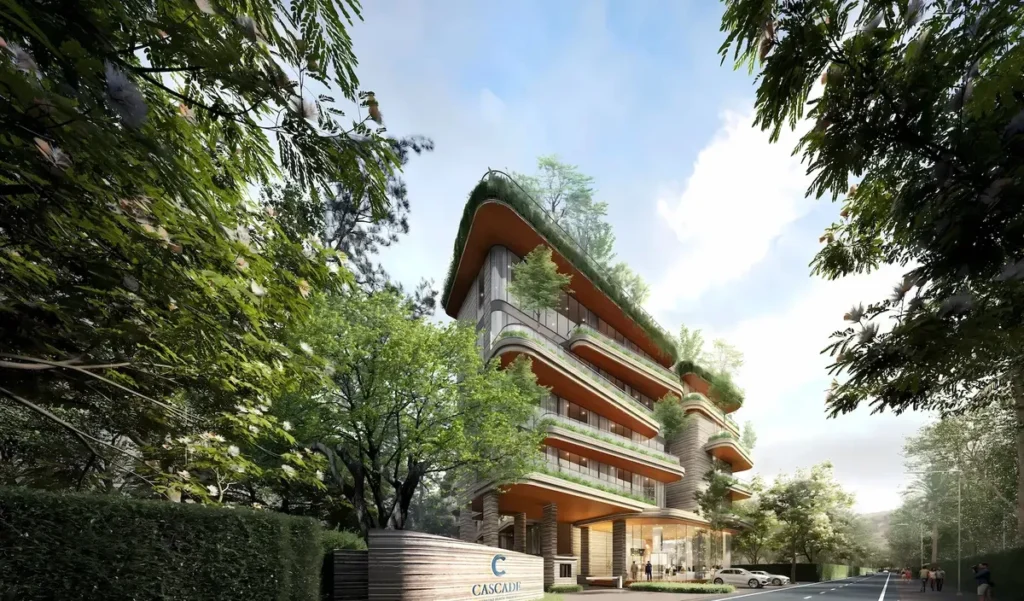 Phuket, Bang Taostarting at 108 m²
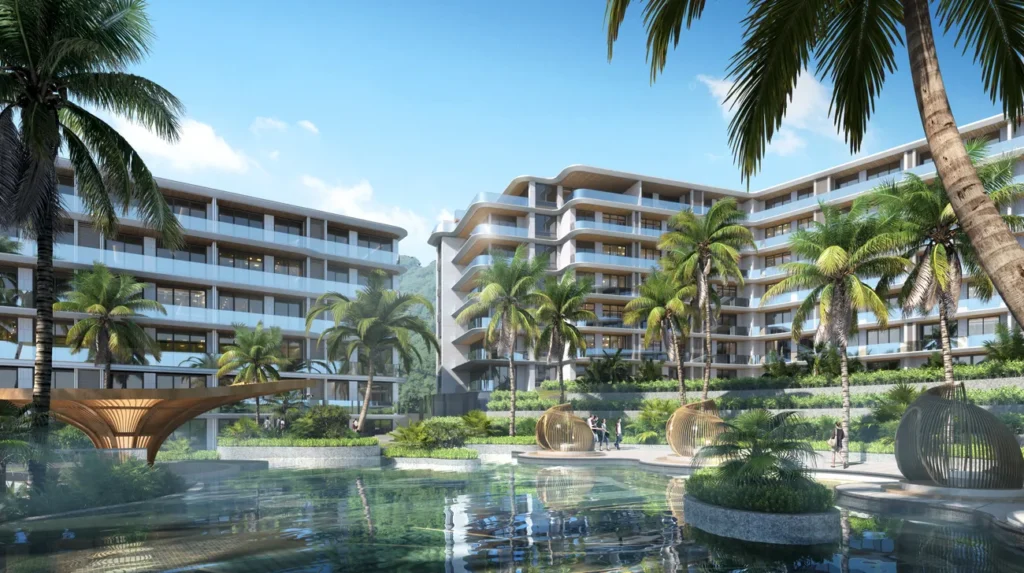 Phuket, Bang Taofrom 43.95m²
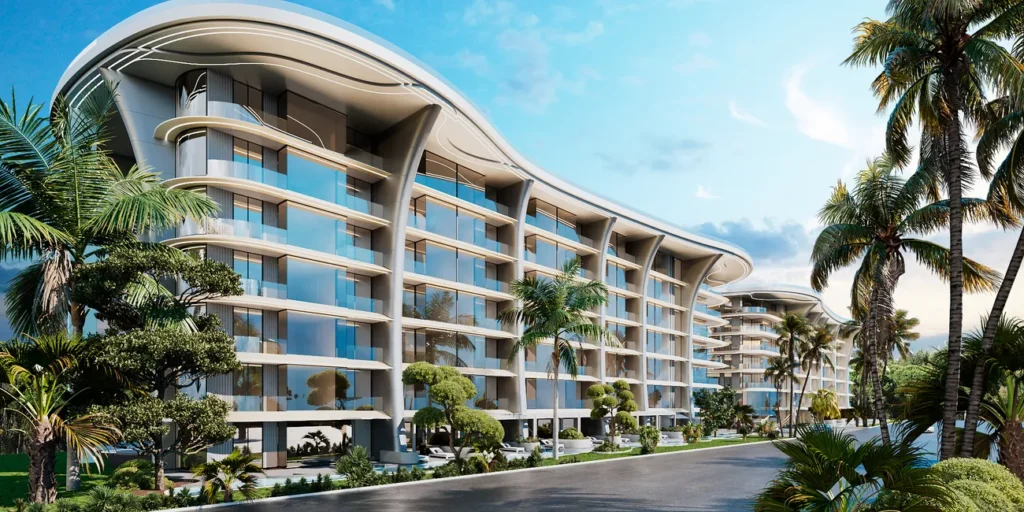 Phuket, Bang Taofrom 35.74m²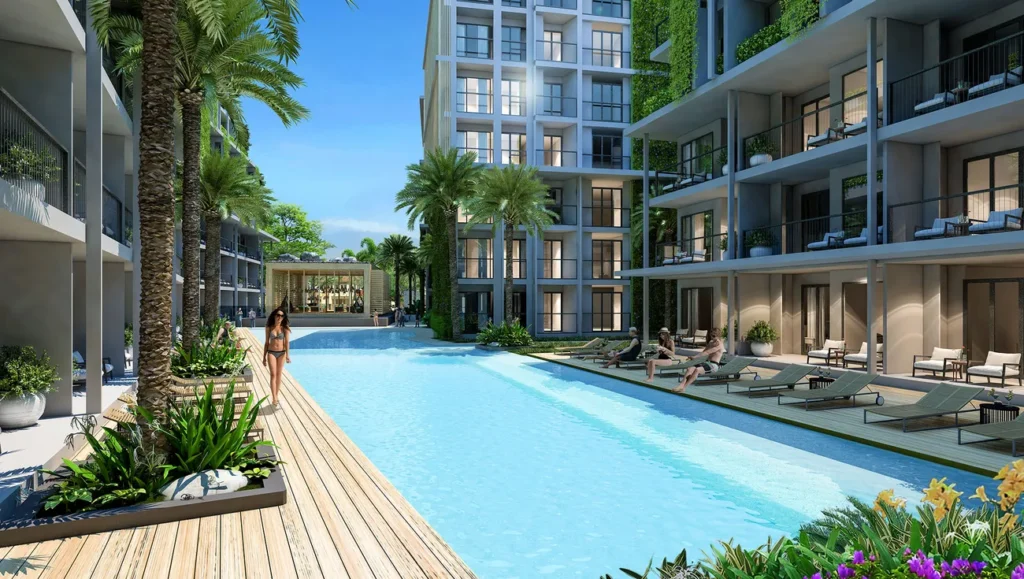
Mistakes Made by Buyers
Many problems with buying real estate in Thailand arise not only because of legal restrictions, but also because of mistakes made during the property selection and due diligence process. Buyers often mistake a leasehold for full ownership, failing to clarify that renewal depends on the specific terms of the contract and does not occur automatically. The “30+30+30” formula is often perceived as a guarantee of 90 years, although in practice, subsequent periods depend on the terms of the contract, the actions of the parties, and re-registration.
A common mistake is to make a decision based on a project presentation without verifying the chanote, road access, and the developer’s actual status. Another common situation is agreeing to purchase through a company without understanding the structure involving nominal shareholders, as well as ignoring the annual costs of maintaining the property and the company. A separate category of mistakes relates to leasing: buyers fail to clarify whether a specific property is permitted to be rented out and only encounter this issue after the purchase.
Checklist: What to Do Before Making a Deposit
- Request a copy of the title document and verify the type of document.
- Clarify the terms of the leasehold agreement if the land is not held in freehold.
- Check access to the property and the existence of easements.
- Research the developer's reputation and track record of completed projects.
- Hire an independent attorney to review the documents.
- Check the remaining foreign ownership quota, if it is a condominium.
- Calculate the annual maintenance costs for the facility.
- Clarify the rules for leasing the property.
- Check the terms for refunding the deposit if you cancel the transaction.
List: Practical Questions for a Lawyer or Agent Before Selecting a Property
- What is the specific legal status of the land on which this facility is located?
- Who is currently registered as the owner of the land?
- What document proves the right to use or own property?
- What will happen to the buyer's rights if the property is sold in the future?
- What other costs are involved besides the purchase price?
- Who is responsible for registering a transaction with the land administration office?
- Is it permitted to lease the property under the current documents?
Check out these investment apartments in Pattaya
 Pattaya, Wongamat
 LOVE IT Wongamat Beach



Conclusion
The ban on direct land ownership does not close off the real estate market in Thailand to foreigners—it simply changes the range of available options: a freehold condominium unit, a leasehold villa, building rights separate from the land, or narrow exceptions through the BOI or a major investment. Each of these options serves a specific purpose, and there is no one “right” option that works for all buyers.
The safest approach depends on your goal: living there, investing, renting it out, or building a house from scratch. In each case, the decision should be based on verified documents and an understanding of the property’s actual legal structure, rather than on a project presentation or verbal promises from an agent. If you need help choosing the right format for your specific goal, you can start with a brief consultation with the team Thaicost or browse listings on the website.
 Real estate in Georgia
 Real estate in Cyprus
 Real estate in UAE
 Real estate in Bali
 Real estate in Montenegro
 +66 98 432 7651
 hello@thaicost.com
 Boat Lagoon Marina, 22/1 Moo 2, Thepkasattri Rd, Koh Kaew, Phuket 83000, Thailand



 Get TOP-7 catalog of objects